Buying a carpet has always been a tactile experience: customers want to see the colours in daylight, feel the pile and imagine the rug in their own room. As more retailers, interior designers and importers start their search online, carpet manufacturers and wholesalers face a clear challenge — how do you convey texture, scale and quality through a screen? Having moved our own catalogue online, here is what we have learned.
1. Organise by collection, then by design
Professional buyers think in collections: a construction, a pile height, a material and a style family. Grouping designs under their collection — and letting every design page link back to it — lets visitors understand a whole range in seconds, while each design still gets its own page that can be found in search engines. This is exactly how our collections and designs are structured.
2. Photography that tells the truth
- Consistent top-down shots of every design, under the same neutral light, so colours can be compared fairly.
- Close-ups of the pile and backing — this is where buyers judge density and finish.
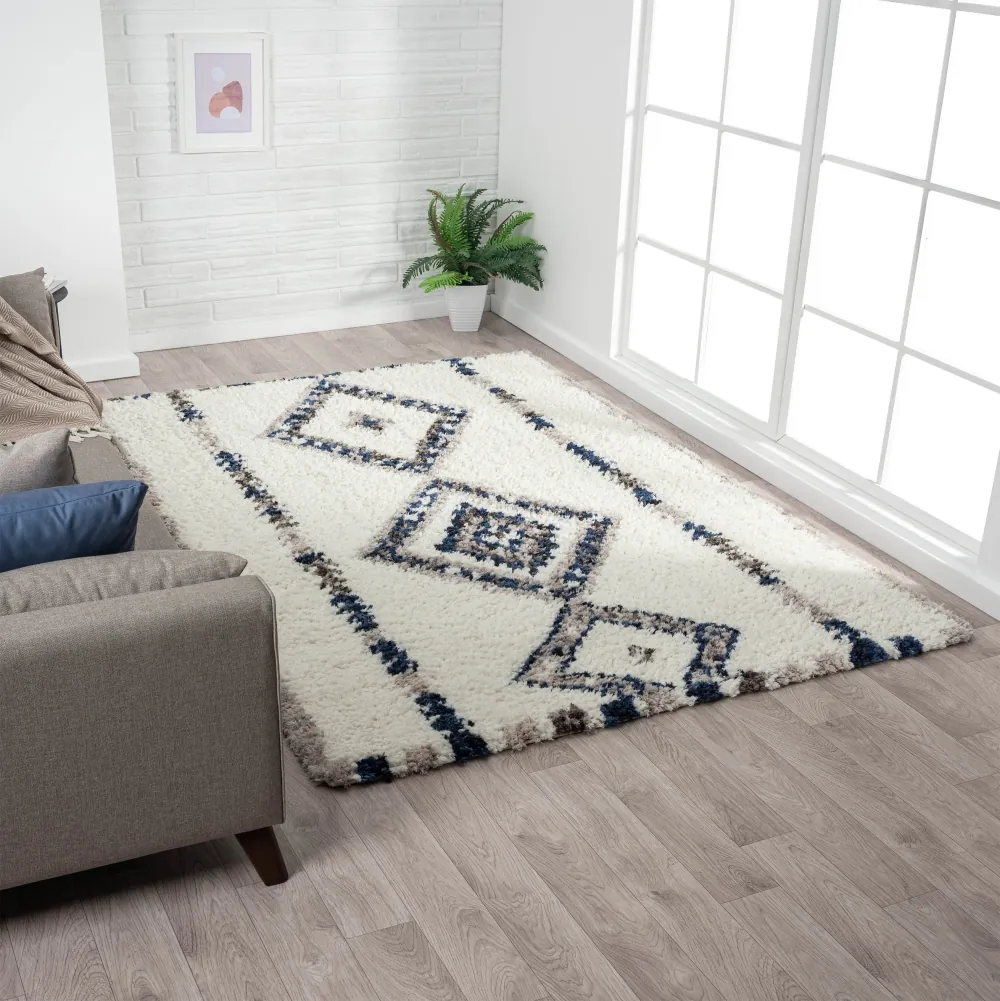
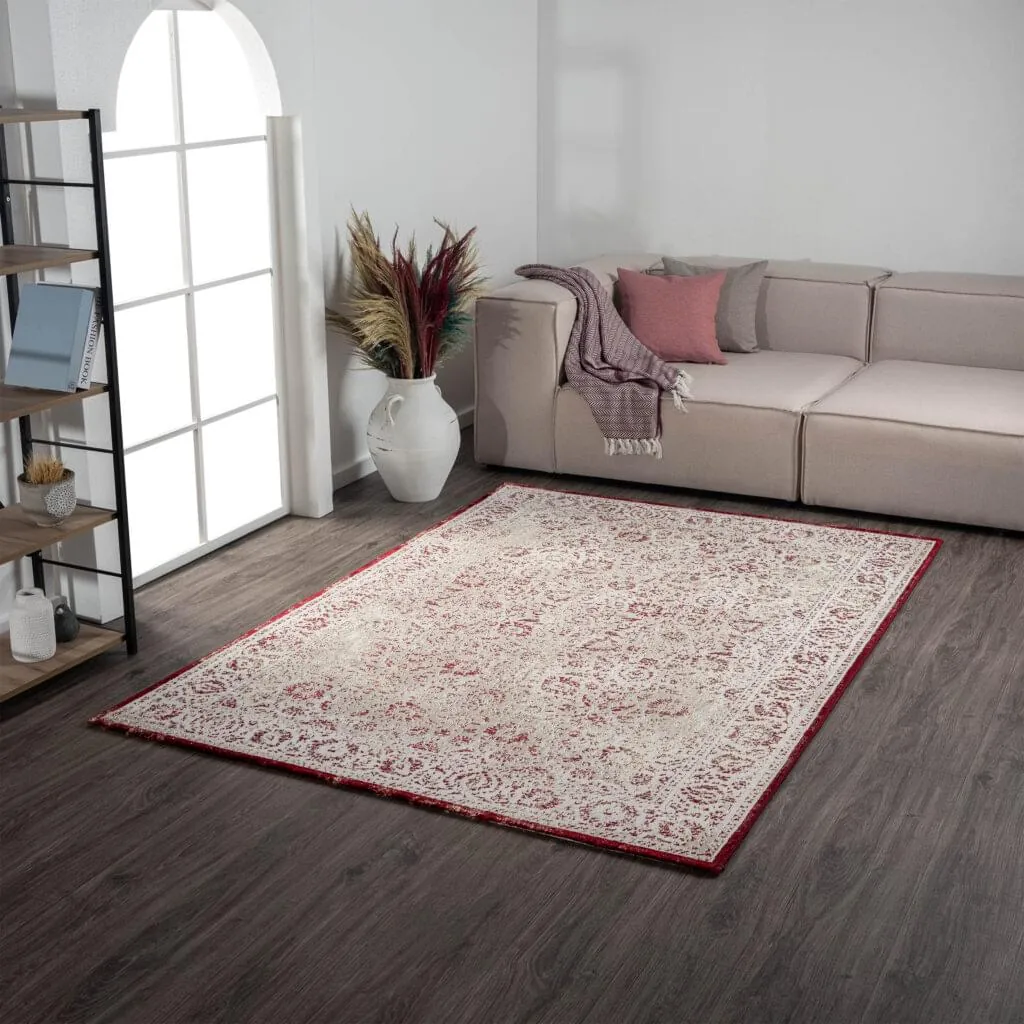
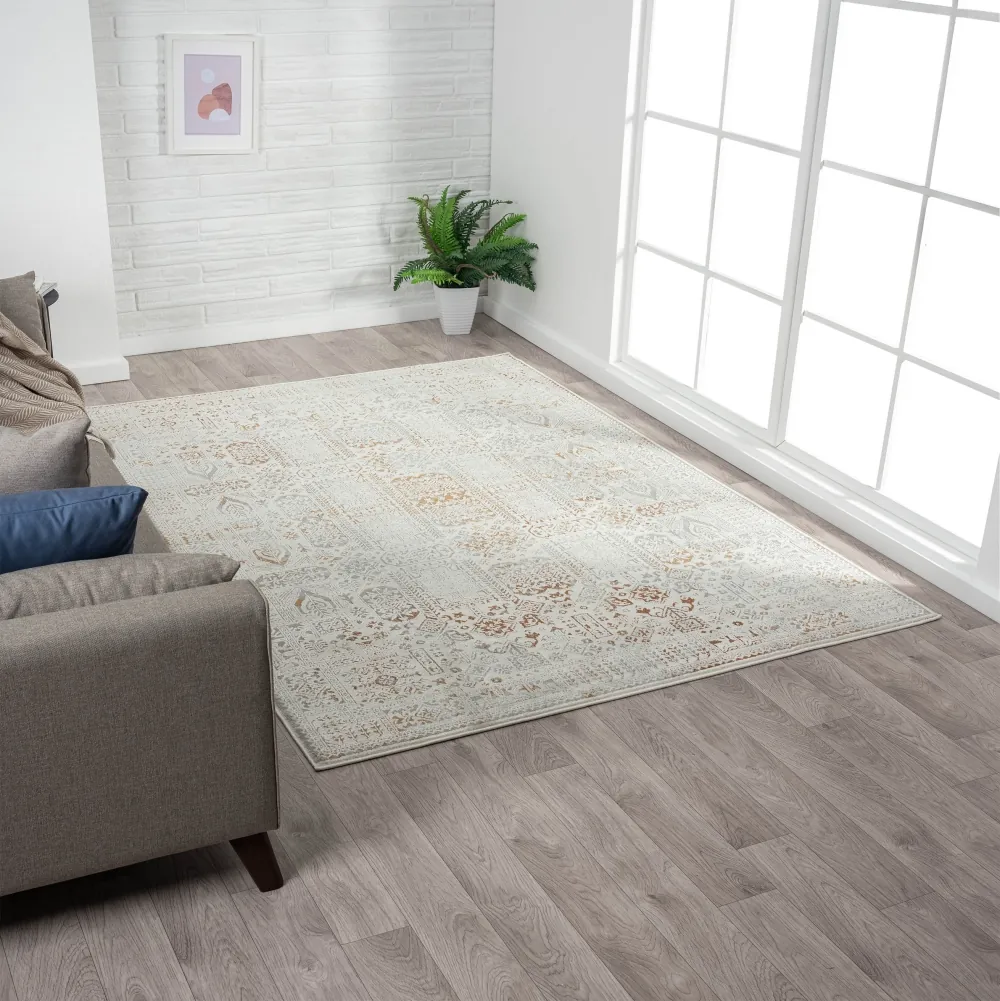
- Room scenes that show scale and how the design works with furniture.
- Modern image formats such as WebP keep pages fast without losing detail — vital when a single collection may contain dozens of designs.
3. Give buyers the technical data they need
For wholesale and export customers, a beautiful image is only the beginning. Every product should list the pile material, pile height, density, weight per square metre, backing type, available sizes and care instructions. Clear specifications reduce back-and-forth emails and build trust before the first sample is even requested.
4. Speak your buyers' language
Carpet is a global trade. If you export to several markets, content in your buyers' languages — with correctly set up language versions so search engines show each audience the right page — opens doors that a single-language catalogue cannot.
5. Make it easy to get in touch
B2B buyers rarely add a container of carpets to a shopping cart. They want a price list, a sample or a conversation. A short quote form on every design page, a visible WhatsApp button and direct contact details turn interest into enquiries. Every form submission should be stored, so no lead is lost even if an email goes astray.
6. Speed, mobile and search visibility
Many buyers browse catalogues on their phones at trade fairs or in showrooms. Pages must load quickly on mobile, use clean, permanent URLs and carry proper titles, descriptions and structured data so that search engines understand each collection and design. When an older site is replaced, redirecting every old address to its new page preserves years of accumulated search ranking.
7. Choose the right partner
A carpet catalogue with hundreds of designs is not a simple brochure site. It needs a solid content management system, a design that lets the products speak and a team that understands both e-commerce and B2B lead generation. When we rebuilt carpetrium.com, we worked with Digital Küre, a professional web design and digital marketing agency that combines custom website design, SEO and an easy-to-manage CMS — allowing us to add new collections and designs ourselves within minutes.
Conclusion
Online, your website is your showroom. Invest in honest photography, complete technical data, fast multilingual pages and an effortless way to request a quote, and your collections will reach buyers far beyond the trade-fair hall. Browse the Carpetrium collections or get in touch to discuss your next order.